If no insurer will cover the home, a buyer may not get a mortgage. Even a cash buyer must think about resale.
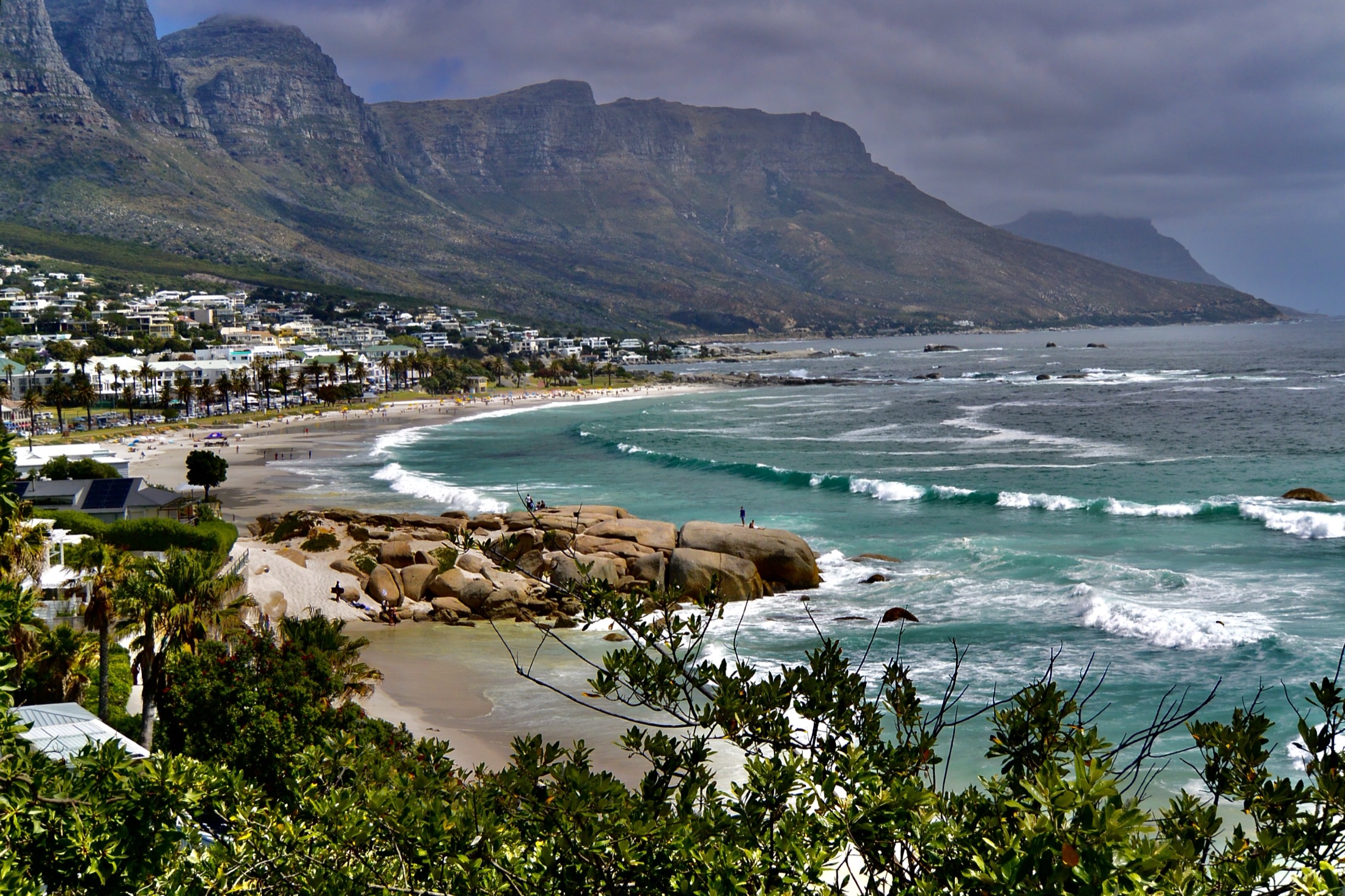
Waterfront homes with eyes open
Beautiful waterfront homes. Honest waterfront risk.
A place for owners who want out because flood, erosion, insurance or lending risk has changed, and for buyers who still want in despite the risks. Use attractive waterfront imagery, but keep the analysis real.
Analysis and reality
People may not want to list on a negative site. They may still want to sell honestly.
This should not feel like doom marketing. It should feel like a clear waterfront marketplace where facts make the price understandable. A lower price can reflect insurance uncertainty, flood history, erosion, storm-surge exposure, council overlays, mortgage difficulty or a seller who no longer wants the risk.
Some buyers may knowingly take a cheaper beachfront, riverfront or lakefront lifestyle bet for 10 to 15 years and accept the exit risk. Others should avoid flood plains, low coastal land, eroding cliffs and places where insurance or habitation rules may change. Honesty helps both sides.
Core caveat
Insure?
No insurance can mean no mortgage, no easy resale and no realistic buyer pool beyond cash buyers who understand the risk.
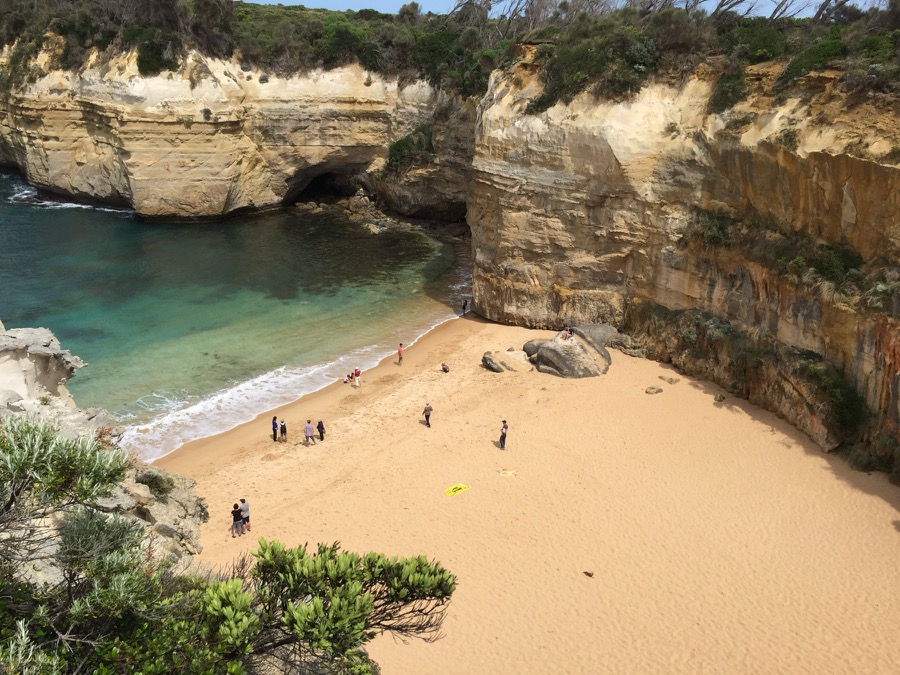 Use attractive waterfront imagery, not disaster photos.
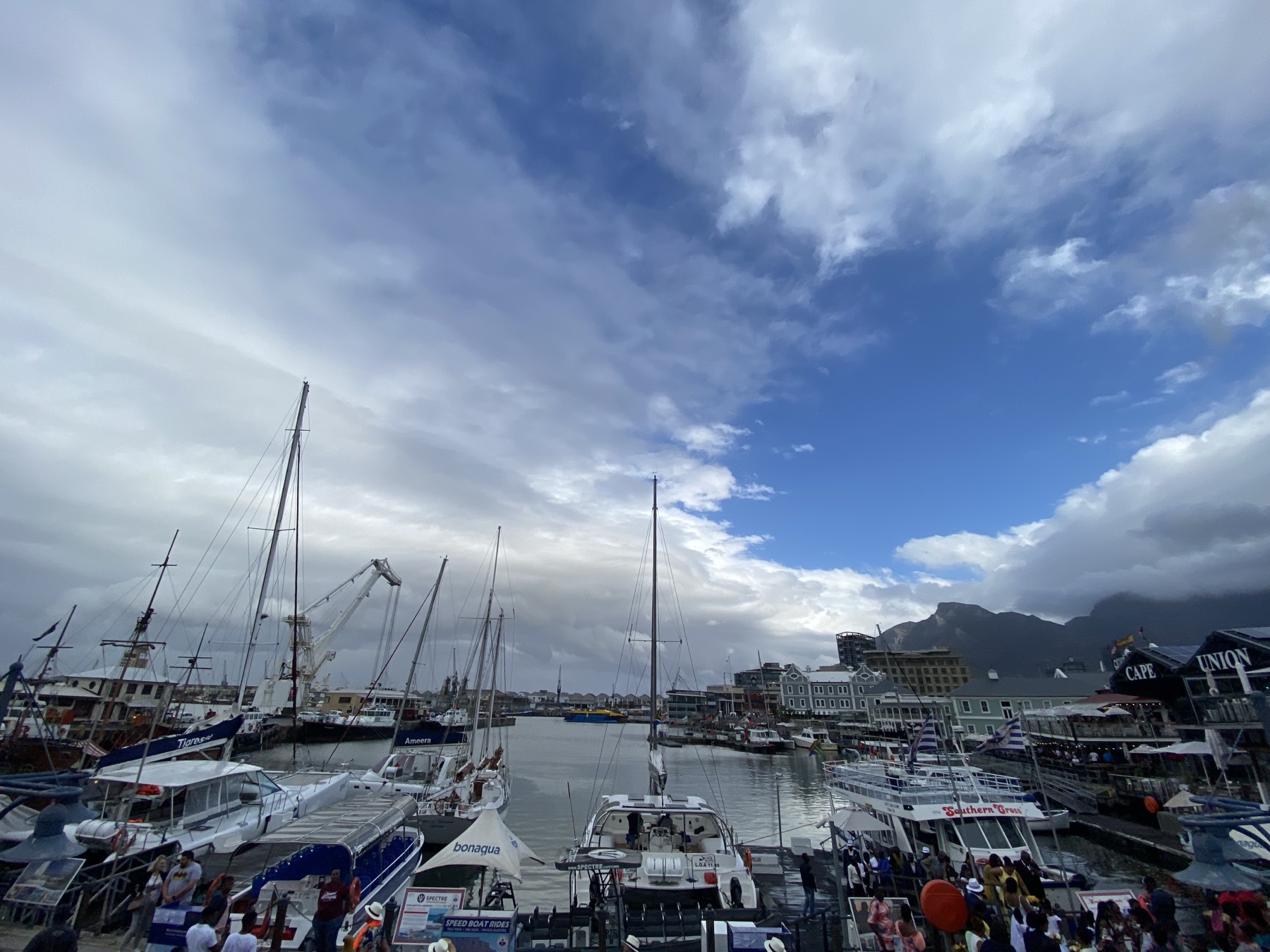 The risk analysis sits in the text and due diligence.
Risk lenses
The beautiful view is only one input into price.
Floods, cyclones, hurricanes, higher tides, storm surge, rivers, tsunami zones, subsiding cities, cliff erosion, beach erosion, low islands and expensive mitigation can all become pricing facts.
Lismore, Ipswich and the Lockyer Valley are reminders that known flood history can still be rebuilt over, then repriced again.
Cliffs, dunes and beaches move. Even expensive homes can be lost to ordinary geology plus stronger weather.
Cyclones, hurricanes, higher tides and stronger surges can change a beautiful location into a hard-to-finance risk.
Low riverfront land can flood repeatedly even far inland from the sea.
Jakarta, Bangkok and other subsiding cities need planning, pumps, barriers and drainage that may or may not keep up.
Tuvalu, Kiribati and other low-lying islands show the hardest long-term waterfront property questions.
Rare does not mean irrelevant. Low-lying coastal homes need separate tsunami risk thinking.
Seawalls, dunes, levees, pumps and flood barriers are hugely expensive; buyers should not assume government or insurers will carry private risk forever.
Some buyers may knowingly take a cheaper 10 to 15 year lifestyle bet. The price should reflect that risk honestly.
Before buying
Check the boring things before falling in love with the view.
Current and historical flood mapsInsurance quote before contractMortgage lender appetiteCouncil planning overlaysErosion and setback rulesStorm surge and cyclone/hurricane exposureTsunami evacuation zoneBuilding height and floor-level rulesAccess roads during flood or stormFuture mitigation plans and who funds themComparable sales after floods or premium shockExit plan if insurance disappears
Current research
Use live searches because the risk is changing.
Live searchWaterfront risk news
Open current news and research results.
Live searchCoastal erosion propertyOpen current news and research results.
Live searchHome insurance retreatOpen current news and research results.
Live searchFloodplain rebuildingOpen current news and research results.
Live searchSinking cities property riskOpen current news and research results.
Live searchSea-level rise homesOpen current news and research results.
Important disclaimer
No advice is being given here.
This website is general information, commentary, market organisation and a product prototype only. It is not personal financial advice, investment advice, credit advice, insurance advice, legal advice, tax advice, valuation advice, engineering advice, climate-risk advice or real-estate agency advice. Buyers and sellers should use qualified local professionals, insurers, lenders, conveyancers, engineers, surveyors and planning specialists.